


Diabetes from Eating Too Much Sugar is a common myth. Sugar alone does not cause diabetes, but excess intake with poor lifestyle habits can increase insulin resistance, weight gain, and long-term risk of type 2 diabetes.
Core Question: Can You Really Get Diabetes?
The main concern behind Diabetes from Eating Too Much Sugar is whether sugar directly causes the condition. The simple answer is no, but the full explanation is more detailed. Diabetes from Eating Too Much Sugar does not happen overnight from eating sweets. Instead, excessive calorie intake over time leads to fat accumulation, especially around the abdomen. This increases the risk of insulin resistance, which is the real pathway to type 2 diabetes. Sugar itself is not the direct cause, but a diet high in added sugars often leads to overeating and weight gain. So while the myth is partly false, the long-term effects of poor eating habits still make sugar an important factor in diabetes development.
How Your Body Processes Sugar
 To understand Diabetes from Eating Too Much Sugar, you must first understand how your body handles glucose. Every carbohydrate you eat is broken down into glucose, which enters your bloodstream and becomes energy. When this happens, your pancreas releases insulin to help move glucose into your cells. In Diabetes from Eating Too Much Sugar, problems arise when this system is constantly overloaded. Frequent spikes in blood sugar force the pancreas to work harder, producing more insulin. Over time, this can strain the system and reduce efficiency. However, your body is designed to manage sugar well when balanced with physical activity and a healthy diet. The issue is long-term imbalance, not occasional sugar intake.
Role of Insulin in Blood Sugar Control
Insulin plays a central role in Diabetes from Eating Too Much Sugar. It acts like a key that allows glucose to enter your cells for energy. When functioning properly, insulin keeps blood sugar levels stable and prevents spikes. In Diabetes from Eating Too Much Sugar, frequent high sugar intake forces the pancreas to release large amounts of insulin repeatedly. Over time, cells may stop responding effectively, leading to insulin resistance. This means glucose remains in the bloodstream instead of being used. The pancreas then tries to compensate by producing even more insulin, eventually leading to fatigue and dysfunction. This process is a major step toward developing type 2 diabetes.
How Insulin Resistance Develops
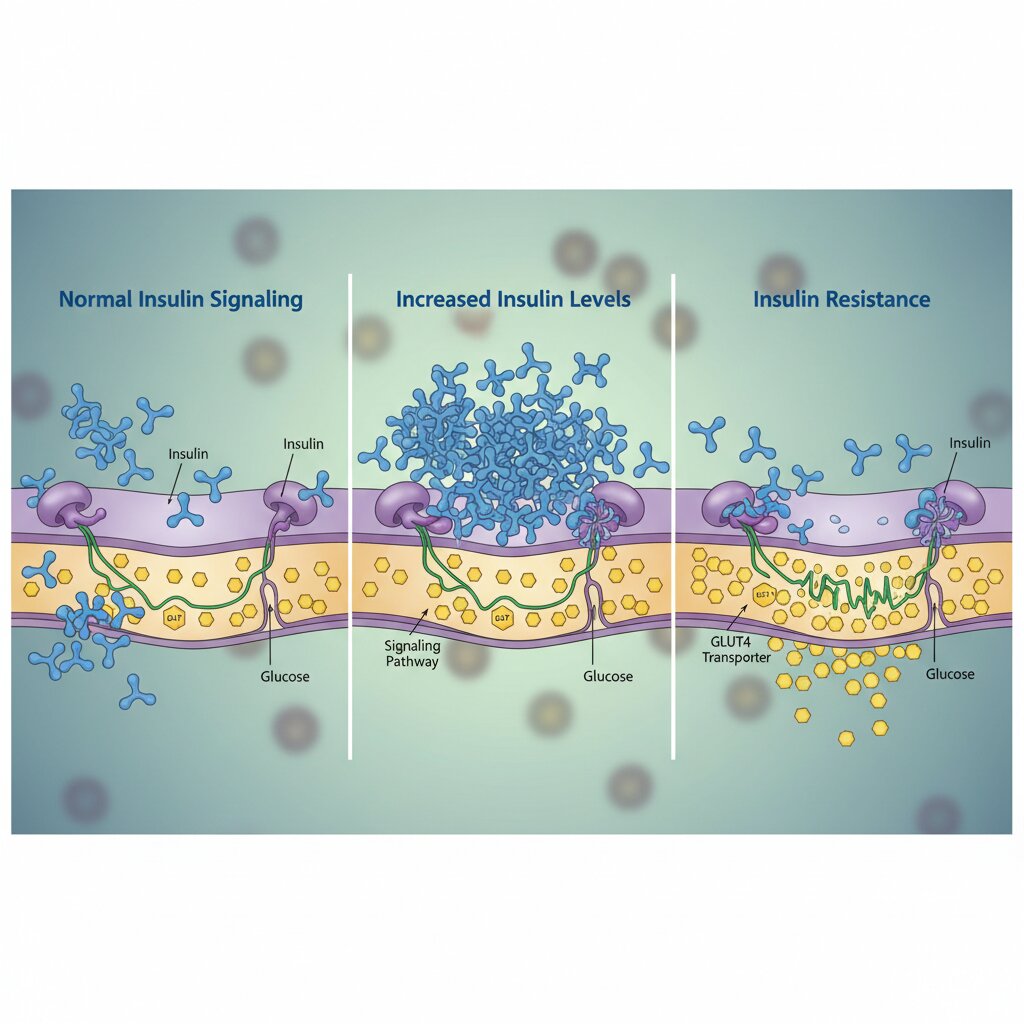 Insulin resistance is the key turning point in Diabetes from Eating Too Much Sugar. It develops when your body’s cells no longer respond properly to insulin signals. As a result, glucose builds up in the bloodstream. In Diabetes from Eating Too Much Sugar, this condition is often linked to long-term overeating, especially high-calorie and processed foods. Excess body fat, particularly visceral fat, worsens insulin resistance by releasing inflammatory chemicals. Over time, the pancreas struggles to keep up with demand, leading to higher blood sugar levels. This stage is often called prediabetes. Without lifestyle changes, it can progress to full type 2 diabetes, making early awareness extremely important.
Real Causes of Type 2 Diabetes
The real causes behind Diabetes from Eating Too Much Sugar are more complex than sugar alone. Genetics, inactivity, poor diet, and excess weight all play major roles. While sugar contributes to a calorie surplus, it is not the only factor. In Diabetes from Eating Too Much Sugar, insulin resistance remains the primary driver. When combined with a sedentary lifestyle and unhealthy eating habits, the risk increases significantly. Family history also plays an important role, meaning some people are more genetically predisposed. However, lifestyle changes can greatly reduce risk even in high-risk individuals. This shows that diabetes is not caused by one ingredient but by multiple long-term health factors working together.
Types of Sugar in Your Diet
Understanding sugar types is important when discussing Diabetes from Eating Too Much Sugar. Natural sugars are found in fruits, vegetables, and dairy products. These foods contain fiber, vitamins, and minerals that slow down digestion and reduce blood sugar spikes. In contrast, added sugars found in sodas, candies, and processed foods are quickly absorbed and can cause rapid glucose spikes. In Diabetes from Eating Too Much Sugar, these added sugars are more concerning because they contribute to overeating and weight gain. However, sugar from whole foods like fruit is not harmful when consumed in moderation. The key difference lies in nutritional value and how quickly the body absorbs the sugar.
Common Mistakes People Make
 Many people trying to avoid Diabetes from Eating Too Much Sugar make mistakes that actually harm their health goals. One common mistake is completely avoiding fruits due to their natural sugar content. Another is relying too heavily on artificial sweeteners, which may still affect metabolism. In Diabetes from Eating Too Much Sugar, hidden sugars in processed foods like sauces and snacks are often overlooked. People also tend to skip meals, leading to cravings and overeating later. Another mistake is focusing only on diet while ignoring exercise and sleep. These habits together increase the risk of insulin resistance. A balanced lifestyle approach is far more effective than extreme dietary restrictions.
Hidden Sources of Sugar in Everyday Foods
Many people focus only on sweets when thinking about Diabetes from Eating Too Much Sugar, but hidden sugars in daily foods are often the bigger issue. Packaged and processed items can contain large amounts of added sugar without an obvious taste. These hidden sugars contribute to excess calorie intake, weight gain, and increased insulin resistance over time. In Diabetes from Eating Too Much Sugar, this unnoticed consumption plays a major role in long-term risk. Reading labels and understanding food composition is essential for better health choices. Being aware of hidden sugars helps you reduce unnecessary intake without completely giving up enjoyable foods.
Key Hidden Sugar Sources:
- Flavored yogurts
- Breakfast cereals
- Ketchup and sauces
- Packaged snacks
- Energy drinks
| Food Item | Hidden Sugar Level | Health Impact |
|---|---|---|
| Flavored Yogurt | High | Blood sugar spikes |
| Ketchup | Moderate | Adds daily sugar |
| Breakfast Cereal | High | Rapid glucose rise |
| Energy Drinks | Very High | Insulin stress |
Expert Insights for Better Health
Actionable Strategies to Reduce Risk
 Preventing Diabetes from Eating Too Much Sugar requires consistent healthy habits. One of the most effective strategies is increasing fiber intake from vegetables, legumes, and whole grains. Fiber helps stabilize blood sugar levels. In Diabetes from Eating Too Much Sugar, regular exercise is also essential because muscles help absorb glucose efficiently. Strength training and cardio both improve insulin sensitivity. Reducing processed food intake and avoiding sugary drinks can make a significant difference. Staying hydrated and managing stress also support metabolic health. Small daily improvements, when practiced consistently, reduce long-term diabetes risk and improve overall well-being significantly.
Long-Term Effects and Prevention Strategies
Long-term exposure to Diabetes from Eating Too Much Sugar risk factors can gradually affect your metabolic health. Over time, poor eating habits, lack of exercise, and excess sugar intake may lead to insulin resistance and prediabetes. However, the condition is preventable with consistent lifestyle changes. In Diabetes from Eating Too Much Sugar, early awareness is key to avoiding complications. Small daily improvements can significantly lower your risk and improve energy levels.
Prevention Strategies:
- Eat more fiber-rich foods
- Exercise for at least 30 minutes daily
- Reduce sugary beverages
- Maintain a healthy body weight
- Get regular sleep
| Habit | Positive Effect |
|---|---|
| Daily Exercise | Improves insulin sensitivity |
| High Fiber Diet | Stabilizes blood sugar |
| Good Sleep | Balances hormones |
| Low Sugar Intake | Reduces diabetes risk |
Prevention and Healthy Lifestyle
The best defense against Diabetes from Eating Too Much Sugar is prevention through lifestyle management. Maintaining a healthy weight, staying active, and eating a balanced diet are essential. In Diabetes from Eating Too Much Sugar, prevention is not about avoiding sugar completely but about controlling overall calorie intake and improving food quality. Regular health checkups can help detect early signs of insulin resistance. Building habits like walking daily, eating whole foods, and limiting processed snacks can significantly lower risk. Prevention is more effective than treatment, and small changes today can protect your health in the long run.
Conclusion
In conclusion, Diabetes from Eating Too Much Sugar is a widespread myth that oversimplifies a complex condition. Sugar alone does not directly cause diabetes, but excessive consumption combined with poor lifestyle habits can increase risk over time. In Diabetes from Eating Too Much Sugar, the real issue is insulin resistance caused by long-term imbalance in diet, activity, and genetics. Understanding this helps you make better health decisions without unnecessary fear of sugar.
Frequently Asked Questions
1: Does eating too much sugar cause type 1 diabetes?
No. Type 1 diabetes is an autoimmune condition where the body’s immune system attacks and destroys the insulin-producing cells in the pancreas. Diet and lifestyle factors do not cause type 1 diabetes.
2: Can I still eat dessert if I want to prevent diabetes?
Yes, you can absolutely enjoy desserts in moderation. The key is portion control and frequency. Enjoying a sweet treat occasionally as part of an otherwise balanced, nutrient-dense diet will not cause diabetes.
3: Are natural sugars like honey and maple syrup better for you?
While honey and maple syrup contain trace amounts of minerals and antioxidants, your body still processes them as added sugars. They will still spike your blood glucose levels, so you should use them sparingly.
4: How does weight affect my diabetes risk?
Carrying excess body weight, particularly visceral fat around your organs, causes inflammation and makes your cells resistant to insulin. This forces your pancreas to work harder and significantly increases your risk of developing type 2 diabetes.
5: Is fruit juice healthy, or does it cause diabetes?
Fruit juice lacks the essential fiber found in whole fruits. Drinking a glass of juice delivers a rapid dose of concentrated fructose to your liver, which can spike blood glucose and contribute to insulin resistance over time. It is always better to eat the whole fruit.
6: What are the early signs of insulin resistance?
Early signs can include fatigue, increased hunger (especially after meals), brain fog, weight gain around the middle, and acanthosis nigricans, which are darkened patches of skin typically found on the neck or in the armpits.
7: Does family history guarantee I will get diabetes?
Having a family history increases your genetic predisposition, but it is not a guarantee. You can heavily influence your outcome through healthy lifestyle choices, regular exercise, and maintaining a healthy weight.
8: How much added sugar is safe to eat per day?
The American Heart Association recommends that men limit added sugars to no more than 36 grams (9 teaspoons) per day, and women limit them to no more than 25 grams (6 teaspoons) per day.
9: Does stress really affect my blood sugar?
Yes. When you are stressed, your body releases cortisol, a hormone that increases blood glucose levels to give you energy to deal with the stressor. Chronic stress can keep your blood glucose chronically elevated.
10: Can prediabetes be reversed?
Yes, prediabetes is often reversible. By implementing lifestyle changes such as losing a moderate amount of weight, eating a balanced diet, and exercising regularly, you can restore your insulin sensitivity and return your blood glucose to normal levels.