

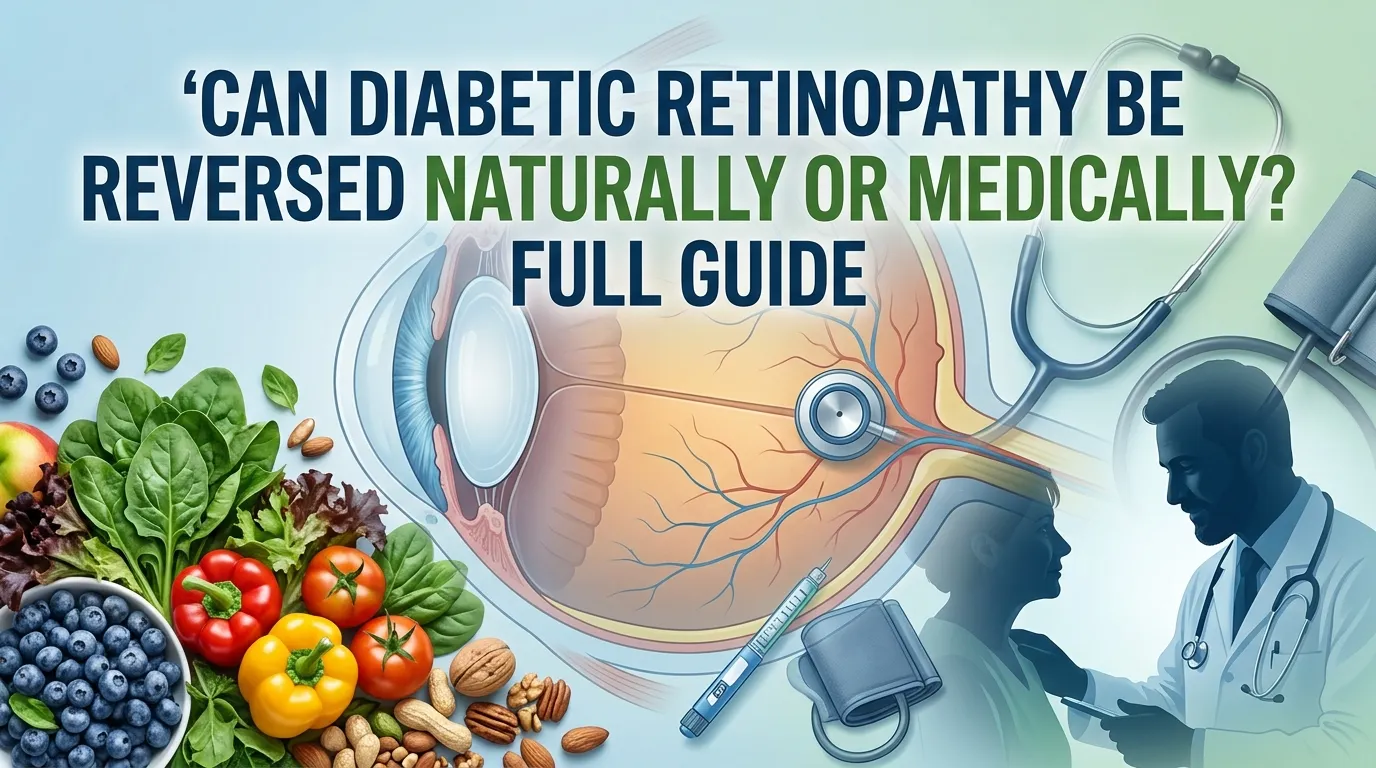
What Is Diabetic Retinopathy?
Diabetic retinopathy is an eye complication caused by long-term high blood sugar levels that damage the retina’s blood vessels. The retina is the light-sensitive layer at the back of the eye responsible for clear vision. When these vessels weaken, they may leak fluid or bleed, leading to blurry vision or dark spots. In advanced cases, abnormal blood vessels may grow, increasing the risk of vision loss. Understanding this condition is important because early detection plays a major role in answering the question, can diabetic retinopathy be reversed. While early damage may be managed effectively, untreated cases can progress quickly. Regular eye exams are essential for people with diabetes to detect changes early and prevent permanent damage.
Causes and Risk Factors
Diabetic retinopathy is mainly caused by prolonged high blood sugar levels, but several factors increase the risk. These include uncontrolled diabetes, high blood pressure, high cholesterol, smoking, and long duration of diabetes. Pregnancy and genetic factors can also contribute. Poor lifestyle habits worsen blood circulation in the retina, increasing damage. The longer a person has diabetes, the higher the risk becomes. These risk factors are important when discussing can diabetic retinopathy be reversed, because early-stage damage caused by controllable factors may improve with proper management. However, ignoring these risks often leads to progression. Controlling blood sugar, maintaining a healthy diet, and regular medical checkups significantly reduce the chances of severe eye complications.
Early Symptoms You Should Not Ignore
 In the early stages, diabetic retinopathy may not show clear symptoms, making it difficult to detect without an eye exam. As it progresses, symptoms such as blurry vision, floaters, dark spots, difficulty seeing at night, and fluctuating vision may appear. Some people also experience partial vision loss. These warning signs should never be ignored, as early detection improves outcomes significantly. Many people ask, Can diabetic retinopathy be reversed, and the answer often depends on identifying these symptoms early. If detected at a mild stage, proper treatment and blood sugar control can help prevent further damage. Regular eye screenings are essential for diabetics, even if vision seems normal.
Can Diabetic Retinopathy Be Reversed Naturally?
When discussing can diabetic retinopathy be reversed, natural methods play a supportive role rather than a complete cure. In early stages, strict blood sugar control, a balanced diet rich in antioxidants, regular exercise, and avoiding smoking can help slow progression. Foods like leafy greens, fish, and fruits support eye health. However, natural methods cannot repair severe retinal damage. They are most effective as preventive and supportive care alongside medical treatment. Managing blood pressure and cholesterol also improves eye health. While natural approaches alone cannot fully reverse the condition, they significantly reduce the risk of worsening and help maintain better vision quality over time.
Medical Treatments Available
Medical treatments are essential when diabetic retinopathy progresses beyond the early stage. Options include laser therapy, anti-VEGF injections, and vitrectomy surgery. Laser treatment helps reduce swelling and prevent abnormal blood vessel growth. Injections block harmful proteins that cause leakage and swelling in the retina. Surgery is used in severe cases where bleeding or scar tissue affects vision. These treatments do not always fully reverse damage, but they can stabilize or significantly improve vision. This is why the question of whether diabetic retinopathy can be reversed depends heavily on disease severity. Early medical intervention gives the best chance of preserving eyesight and preventing further deterioration.
Importance of Blood Sugar Control
 Blood sugar control is the most important factor in managing diabetic retinopathy. High glucose levels directly damage retinal blood vessels, worsening the condition over time. Maintaining stable blood sugar through medication, diet, and exercise can slow or even stop progression. This is a key factor when evaluating can diabetic retinopathy be reversed. In the early stages, good control may allow partial recovery of eye health. Regular HbA1c monitoring helps track long-term sugar levels. Skipping medication or unhealthy eating habits can accelerate vision loss. Consistency in diabetes management is essential to protect the eyes and overall health effectively.
Advanced Medical Options for Severe Diabetic Retinopathy
When diabetic retinopathy reaches an advanced stage, more intensive medical treatments are required to protect vision. At this point, the question can diabetic retinopathy be reversed becomes more complex, as full reversal is rarely possible, but vision can still be stabilized. Advanced therapies focus on stopping further damage and improving remaining eyesight. Ophthalmologists choose treatments based on the severity of retinal damage, bleeding, or swelling. These procedures are highly effective in preventing blindness when done at the right time. Early intervention in advanced cases can still preserve a significant amount of vision and improve quality of life.
Key Advanced Treatment Options
- Anti-VEGF injections to reduce swelling and leakage
- Laser photocoagulation to seal leaking blood vessels
- Vitrectomy surgery to remove blood or scar tissue
- Steroid injections for inflammation control
- Continuous retinal monitoring with imaging tests
| Treatment Type | Purpose | Effectiveness | Recovery Time |
|---|---|---|---|
| Anti-VEGF Injections | Reduce swelling & leakage | High | Short |
| Laser Therapy | Stop abnormal vessel growth | Moderate to High | Medium |
| Vitrectomy Surgery | Remove blood/scar tissue | High (severe cases) | Longer |
| Steroid Injections | Reduce inflammation | Moderate | Short to Medium |
Role of Regular Eye Checkups
Regular eye examinations are critical for early detection and management of diabetic retinopathy. Many people do not notice symptoms until the disease has progressed significantly. Eye specialists can identify early retinal changes before vision is affected. This early detection is crucial in determining whether can diabetic retinopathy be reversed or managed effectively. Annual or more frequent screenings are recommended for diabetic patients. Advanced imaging tests help monitor retinal health and guide treatment decisions. Early diagnosis allows timely medical intervention, which greatly improves the chances of preserving vision and preventing irreversible damage.
Lifestyle Changes for Better Eye Health
 Lifestyle changes play a major role in managing diabetic retinopathy. A healthy diet, regular exercise, quitting smoking, and maintaining healthy blood pressure are essential steps. Foods rich in omega-3 fatty acids, vitamins A, C, and E support eye health. Physical activity improves blood circulation and helps control blood sugar levels. These habits contribute to slowing disease progression. While lifestyle changes alone may not fully answer can diabetic retinopathy be reversed, they significantly improve overall outcomes. Combined with medical treatment, they help stabilize vision and reduce the risk of complications.
Long-Term Management and Eye Protection Strategies
Long-term management is essential for people living with diabetic retinopathy. Even after treatment, ongoing care is needed to prevent recurrence or worsening. While exploring can diabetic retinopathy be reversed, it is important to understand that consistent management plays a bigger role than one-time treatment. Patients must focus on controlling diabetes, protecting eye health, and maintaining a stable lifestyle. Regular follow-ups and disciplined habits can significantly slow disease progression and preserve vision for many years.
Long-Term Management Tips
- Maintain strict blood sugar control (HbA1c monitoring)
- Follow a diabetic-friendly diet rich in nutrients
- Schedule regular eye checkups every 6–12 months
- Manage blood pressure and cholesterol levels
- Avoid smoking and alcohol consumption
- Stay physically active with daily exercise
| Habit | Positive Impact on Eyes | Risk if Ignored |
|---|---|---|
| Blood Sugar Control | Slows disease progression | Rapid vision damage |
| Healthy Diet | Improves retinal health | Weak blood vessels |
| Regular Exercise | Improves circulation | Poor oxygen supply |
| Eye Checkups | Early detection of issues | Late-stage diagnosis |
| Smoking Avoidance | Reduces retinal damage | Faster vision loss |
Prevention Strategies for Diabetics
Prevention is the most effective way to deal with diabetic retinopathy. Keeping diabetes under control, attending regular eye checkups, and maintaining a healthy lifestyle are key steps. Early intervention prevents severe damage to the retina. Educating patients about risks also plays an important role. Understanding can diabetic retinopathy be reversed helps highlight the importance of prevention over cure. Once damage becomes severe, full reversal is unlikely, making prevention critical. Taking proactive steps ensures better long-term eye health and reduces the chances of vision loss significantly.