


The support patient care fund provides essential financial help for patients needing medical treatment. It ensures affordable healthcare, supports families, improves recovery outcomes, and strengthens healthcare systems by removing financial barriers to timely and quality care.
The support patient care fund is a vital healthcare initiative designed to help patients who cannot afford medical treatment. It provides financial assistance for surgeries, medicines, diagnostics, and emergency care. By reducing financial barriers, the support patient care fund ensures timely access to healthcare services. It plays an important role in improving patient recovery, supporting families, and strengthening healthcare systems with fair and accessible treatment for all individuals.
Understanding the Support Patient Care Fund
The support patient care fund is a structured financial assistance program created to help patients who cannot afford medical treatment. It is usually supported through donations, government support, and hospital contributions. This fund ensures that no patient is denied essential healthcare due to financial hardship. It can be used for surgeries, medications, diagnostic tests, and emergency treatments. Many healthcare institutions depend on the support of the patient care fund to maintain fair and equal treatment access. By understanding how it works, patients and families can apply for timely help during critical situations. This reduces financial pressure and improves recovery chances by ensuring uninterrupted medical care.
Importance of the Support Patient Care Fund in Healthcare
The support patient care fund is highly important in modern healthcare because it promotes equal access to medical services. Many patients delay treatment due to high costs, which can worsen their health conditions. This fund removes financial barriers and ensures timely care for everyone. Hospitals use the support patient care fund to support low-income and underprivileged patients while maintaining ethical healthcare practices. It also allows doctors and staff to focus on treatment instead of financial concerns. Overall, it builds trust between healthcare providers and patients while ensuring fairness and improving overall healthcare quality within society.
Financial Relief for Patients and Families
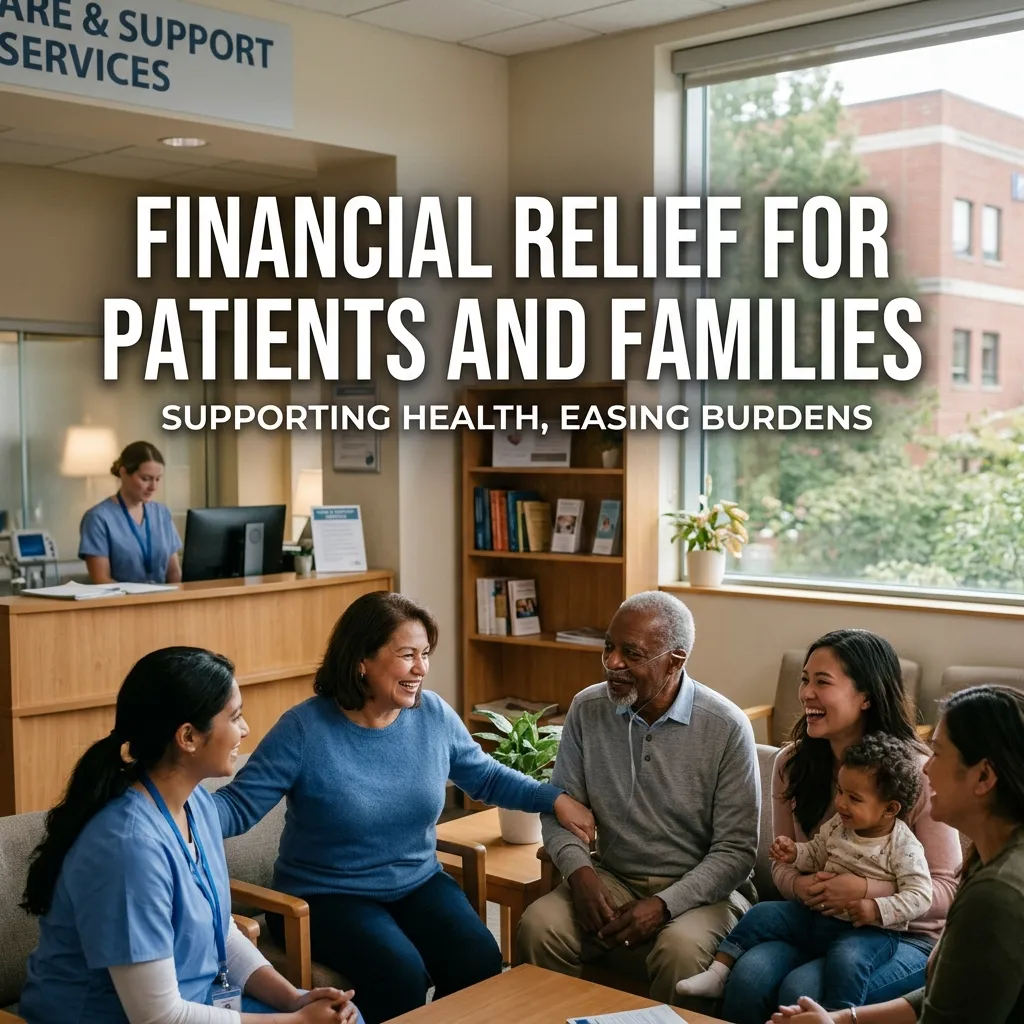 One of the main benefits of the support patient care fund is the financial relief it provides to patients and their families. Medical treatments, especially surgeries and long-term therapies, can be extremely expensive. This fund reduces out-of-pocket expenses and makes healthcare more affordable. Families can focus on recovery instead of worrying about hospital bills. The support patient care fund also helps prevent medical debt, which is a common burden after emergencies. Ensuring timely treatment without financial delays, it increases survival rates and improves overall patient outcomes. It plays a crucial role in reducing emotional and financial stress during difficult times.
Role of Hospitals in Managing the Fund
Hospitals play a key role in managing the support patient care fund efficiently and transparently. They identify eligible patients who need financial help and allocate funds based on urgency and medical condition. Medical social workers often assist patients in applying for support. Hospitals also maintain proper records to ensure accountability and fair distribution. The support patient care fund is closely monitored to prevent misuse and maintain trust. Through proper management, hospitals can extend care to more patients while improving service quality. This system strengthens community confidence in healthcare institutions and ensures that assistance reaches those who need it most.
Donor Contributions and Community Support
The success of the support patient care fund depends heavily on donor contributions and community participation. Individuals, businesses, and charitable organizations contribute to creating a strong financial support system for patients in need. These donations ensure that funds are always available for emergencies and critical treatments. The support patient care fund grows stronger when communities actively support healthcare initiatives. Regular contributions help maintain sustainability and expand coverage. This collective effort reflects compassion and social responsibility, making healthcare more accessible. Without donor support, many patients would struggle to receive life-saving treatments in time, especially in emergencies.
Emergency Medical Assistance Through the Fund
 The support patient care fund plays a vital role in emergency medical situations where immediate treatment is required. Accidents, sudden illnesses, or critical surgeries often demand quick financial support. This fund allows hospitals to provide instant assistance without waiting for payment arrangements. The support patient care fund ensures that life-saving treatments are not delayed due to financial barriers. It is especially important in intensive care situations where every second matters. By offering rapid financial approval, it helps doctors focus on treatment rather than cost concerns. This system significantly increases survival chances in emergency cases and saves many lives.
Support for Chronic Disease Treatment
Patients with chronic diseases such as cancer, diabetes, or heart conditions require long-term medical care. The support patient care fund helps manage these ongoing expenses by covering treatments, medications, and follow-up visits. Without financial support, many patients struggle to continue regular care. This fund ensures consistency in treatment, which is essential for better health outcomes. The support patient care fund reduces financial stress and improves the quality of life for long-term patients. It also helps families manage medical expenses more effectively. Supporting continuous care, it ensures better treatment adherence and long-term health stability for chronic patients.
Challenges and Future Improvements in Medical Funding Support
While medical funding support systems are highly beneficial, they still face several challenges. Limited resources, high demand, and awareness issues often restrict their full impact. However, with digital healthcare systems and better funding models, these challenges can be reduced. The future of medical assistance programs looks promising with improved transparency, faster approvals, and wider accessibility for patients in need.
Key Points:
- Limited funding availability
- High number of applicants
- Lack of awareness in rural areas
- Need for faster approval systems
- Growing role of digital platforms
| Challenges | Future Improvements |
|---|---|
| Limited financial resources | Increased donations and government support |
| Slow approval process | Digital and automated approval systems |
| Lack of awareness | Awareness campaigns and education programs |
| Manual paperwork | Online application systems |
| Uneven distribution | Transparent monitoring systems |
Transparency and Fund Management
 Transparency is a key factor in maintaining trust in the support patient care fund system. Proper documentation, audits, and financial tracking ensure that funds are used correctly and responsibly. Hospitals and managing organizations must keep clear records of donations and expenditures. The support patient care fund is often regulated to prevent misuse and ensure fair distribution. Transparent operations build confidence among donors, encouraging more contributions. It also ensures that assistance reaches the right patients at the right time. Strong governance and accountability make the system reliable, effective, and sustainable for long-term healthcare support.
Impact on Families and Society
The support patient care fund has a strong emotional and social impact on families and communities. It reduces financial stress, prevents medical debt, and allows families to focus on patient recovery. Many families experience relief knowing that financial help is available during difficult times. On a broader level, the support patient care fund promotes equality in healthcare by ensuring that treatment is accessible to everyone. It strengthens social well-being and builds a more compassionate healthcare system. Reducing financial inequality, it helps create a healthier and more supportive society where no one is left untreated due to a lack of money.
Key Benefits of Patient Medical Assistance Programs
Medical assistance programs play a crucial role in making healthcare more accessible and affordable for people in need. These programs reduce the financial burden on patients and ensure that no one is denied treatment due to a lack of money. They also help hospitals provide ethical care while focusing on patient recovery rather than payment concerns. Overall, they strengthen the healthcare system by supporting both patients and medical institutions.
Key Points:
- Reduces financial stress for patients
- Ensures timely medical treatment
- Supports low-income families
- Improves recovery chances
- Strengthens healthcare equality
| Benefit Area | Description |
|---|---|
| Financial Relief | Reduces treatment and hospital costs |
| Timely Treatment | Ensures no delay in medical care |
| Family Support | Helps families manage healthcare expenses |
| Healthcare Access | Improves access for underprivileged patients |
| Recovery Improvement | Increases chances of better health outcomes |
Future of Support Patient Care Fund
The future of the support patient care fund is expected to grow stronger with advancements in healthcare systems and digital donation platforms. Increased awareness and online fundraising are making it easier to collect and distribute funds. Governments and private organizations are also investing more in healthcare accessibility. The support patient care fund will likely become more structured, transparent, and widely available in the coming years. This will improve efficiency and ensure faster assistance to patients. As technology evolves, it will play an even bigger role in saving lives and making healthcare more inclusive and accessible.
Conclusion
The support patient care fund is a life-changing initiative that improves healthcare accessibility and affordability. It supports patients during emergencies, chronic illnesses, and expensive treatments while reducing financial burden on families. Through donations, hospital management, and community involvement, the support patient care fund continues to save lives and strengthen healthcare systems.
Frequently Asked Questions
1. What is this patient financial assistance program?
This is a financial assistance program that helps patients who cannot afford medical treatment. It covers surgeries, medicines, diagnostics, and emergency care. The main goal is to ensure that financial difficulties never stop patients from receiving timely and necessary healthcare services in critical situations.
2. Who can apply for this medical support fund?
Any patient facing financial hardship in paying for medical expenses can apply for this assistance. Hospitals usually check eligibility based on income level, medical condition, and urgency. The process ensures fair distribution so that the most needy patients receive proper healthcare support.
3. How does this fund help patients?
This program helps by reducing the overall cost of medical treatment for patients and families. It provides financial relief so patients can focus on recovery instead of worrying about bills or long-term debt. It improves access to timely and quality healthcare services.
4. Where does the funding come from?
The funding comes from donations, government support, hospital contributions, and charitable organizations. These combined sources create a sustainable pool of resources that helps patients receive essential medical care when they are unable to afford treatment on their own.
5. Is emergency treatment included?
Yes, emergency medical cases are a major priority. It supports situations like accidents, sudden illnesses, or critical surgeries. The goal is to provide fast financial assistance so that treatment is not delayed due to payment issues during life-threatening conditions.
6. Do chronic illness patients get support?
Yes, patients with long-term illnesses such as cancer, diabetes, or heart disease can receive help. It covers medications, ongoing treatments, and regular check-ups. This ensures continuous care and improves the patient’s quality of life over time.
7. How is this program managed in hospitals?
Hospitals manage it by identifying eligible patients and reviewing applications carefully. Medical social workers assist in the process. Funds are distributed transparently based on urgency and medical need, ensuring fair and responsible use of available resources.
8. Is the system transparent?
Yes, transparency is a key priority. Regular audits, documentation, and monitoring systems are used to ensure proper use of funds. This builds trust among donors and ensures that financial assistance reaches the right patients without misuse.
9. Why is this program important?
It is important because it ensures equal access to healthcare services. It removes financial barriers, supports low-income patients, and improves medical outcomes. It also helps maintain ethical healthcare practices and strengthens trust in the healthcare system.
10. How can people contribute?
People can contribute through donations to hospitals, NGOs, or healthcare charities. These contributions directly help patients in need by ensuring they receive timely treatment. Community support plays a major role in saving lives and improving healthcare access.