

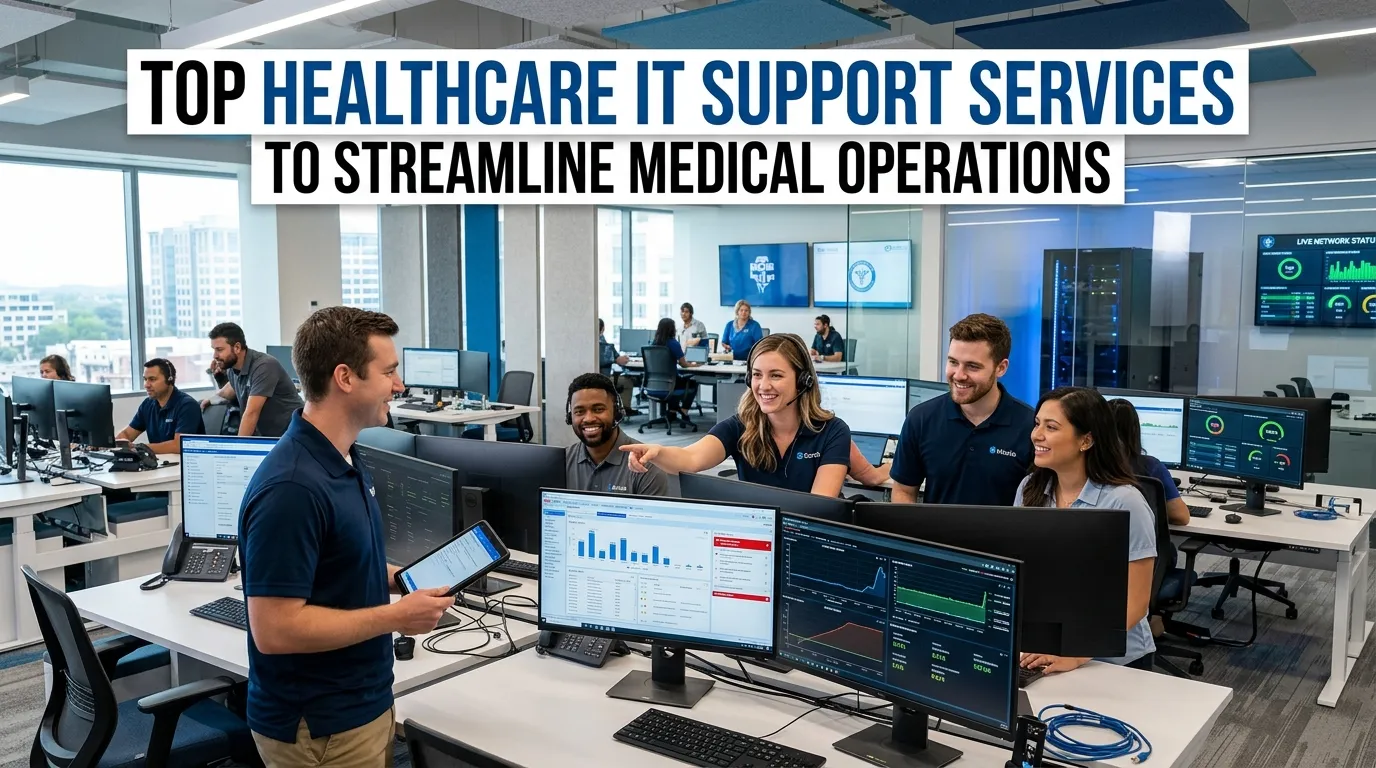
The right healthcare IT support services completely transform how medical facilities operate, driving efficiency, securing patient data, and elevating the overall standard of care you provide.
A dependable IT infrastructure prevents costly downtime and secures sensitive medical records. This guide explores essential technology management strategies, compares managed versus in-house solutions, and provides actionable steps to optimize your clinical workflows while remaining strictly compliant with industry regulations.
The Foundation of Modern Medical Operations
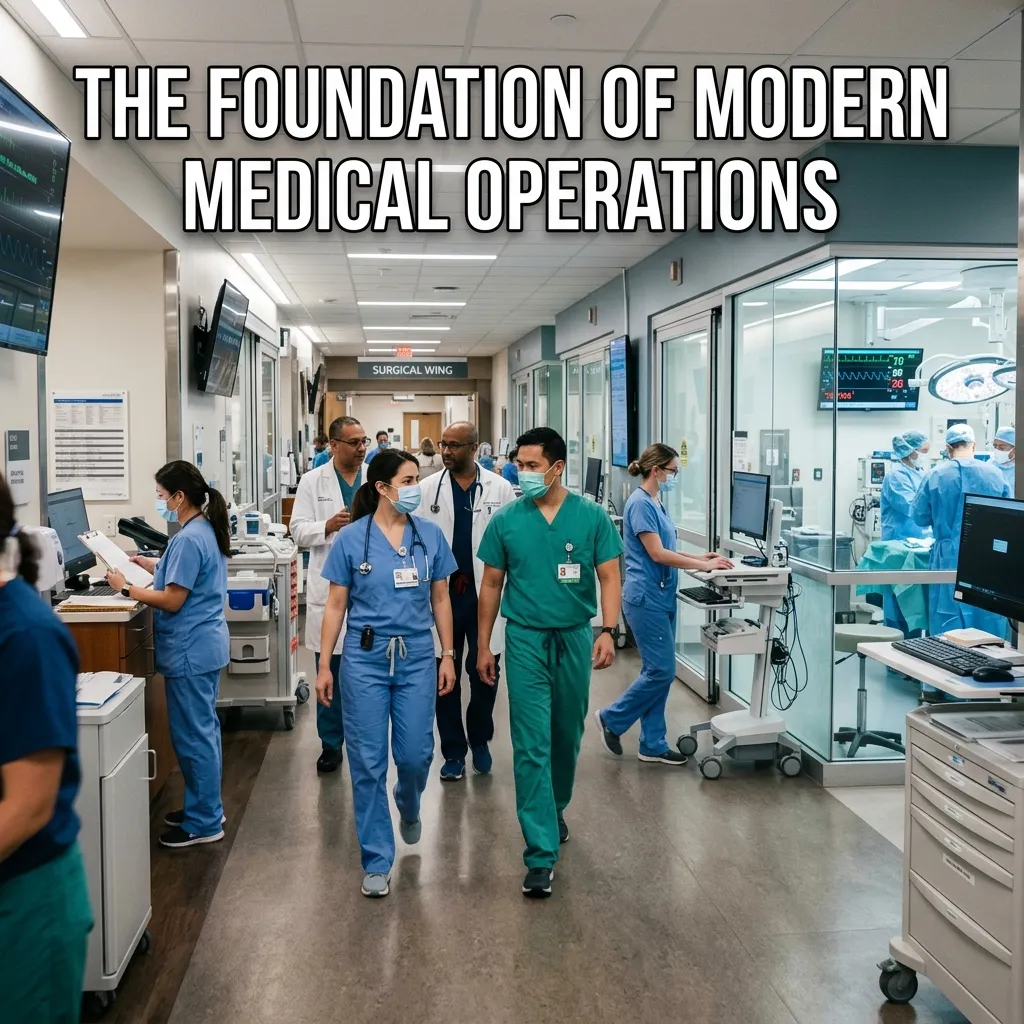 Reliable technology serves as the backbone of every successful clinic, hospital, and private practice. When servers crash or software lags, patient care suffers directly. Implementing robust healthcare IT support services ensures that physicians and administrative staff can focus entirely on treating patients rather than troubleshooting computer glitches. By partnering with experts who understand the nuances of the medical field, practices can achieve unprecedented levels of operational efficiency.
Upgrading your digital infrastructure involves much more than just fixing broken hardware. It requires a proactive approach to system monitoring, seamless software updates, and rigorous data protection protocols. When you establish a solid technological foundation, you reduce wait times, improve diagnostic accuracy, and create a more satisfying experience for both your staff and the patients who rely on your expertise.
Key Components of a Strong IT Foundation
Building a resilient technology environment requires focus on several core areas. Each component works together to create a secure, efficient, and compliant medical practice.
Strict HIPAA Compliance
Patient privacy stands as the most critical element of medical operations. Your technology setup must adhere to the regulations outlined by the Department of Health and Human Services. Dedicated IT partners ensure that your electronic health records systems meet these stringent standards. They implement access controls, secure login protocols, and audit trails to track who accesses patient data and when. This proactive approach to compliance protects your practice from severe financial penalties and reputational damage.
Cybersecurity and Data Protection
Seamless Scalability
As your practice grows, your technology needs will change. Opening new locations, hiring more staff, or adding telemedicine solutions requires an adaptable infrastructure. Cloud-based hosting allows your network to expand effortlessly. You avoid the high costs of purchasing new physical servers and benefit from flexible storage options. A scalable IT environment supports your long-term growth objectives without causing disruptive downtime.
Core Capabilities to Look For
To truly streamline your medical operations, your technology partner must offer a comprehensive suite of solutions tailored to the clinical environment.
24/7 Help Desk Availability
Medical emergencies do not follow standard business hours, and neither should your technical assistance. Continuous monitoring and instant troubleshooting capabilities ensure that nurses and doctors always have access to critical systems. Whether it is a password reset at midnight or a network failure during a busy shift, immediate resolution is non-negotiable.
Network Reliability and Security
Your network handles massive amounts of sensitive data daily. Establishing a secure, high-speed connection prevents bottlenecks when transferring large files like MRI scans or high-resolution X-rays. Advanced firewalls, intrusion detection systems, and regular vulnerability assessments keep malicious actors out of your private databases. Consider integrating advanced threat protection to safeguard against evolving ransomware tactics.
Disaster Recovery and Data Backup
Data loss can devastate a medical practice. Top-tier healthcare IT support services implement automated, encrypted backups stored in geographically diverse locations. A comprehensive disaster recovery plan guarantees that, even in the event of a natural disaster or severe cyberattack, your facility can restore patient records quickly and resume operations with minimal disruption.
Mastering EHR Integration and Optimization
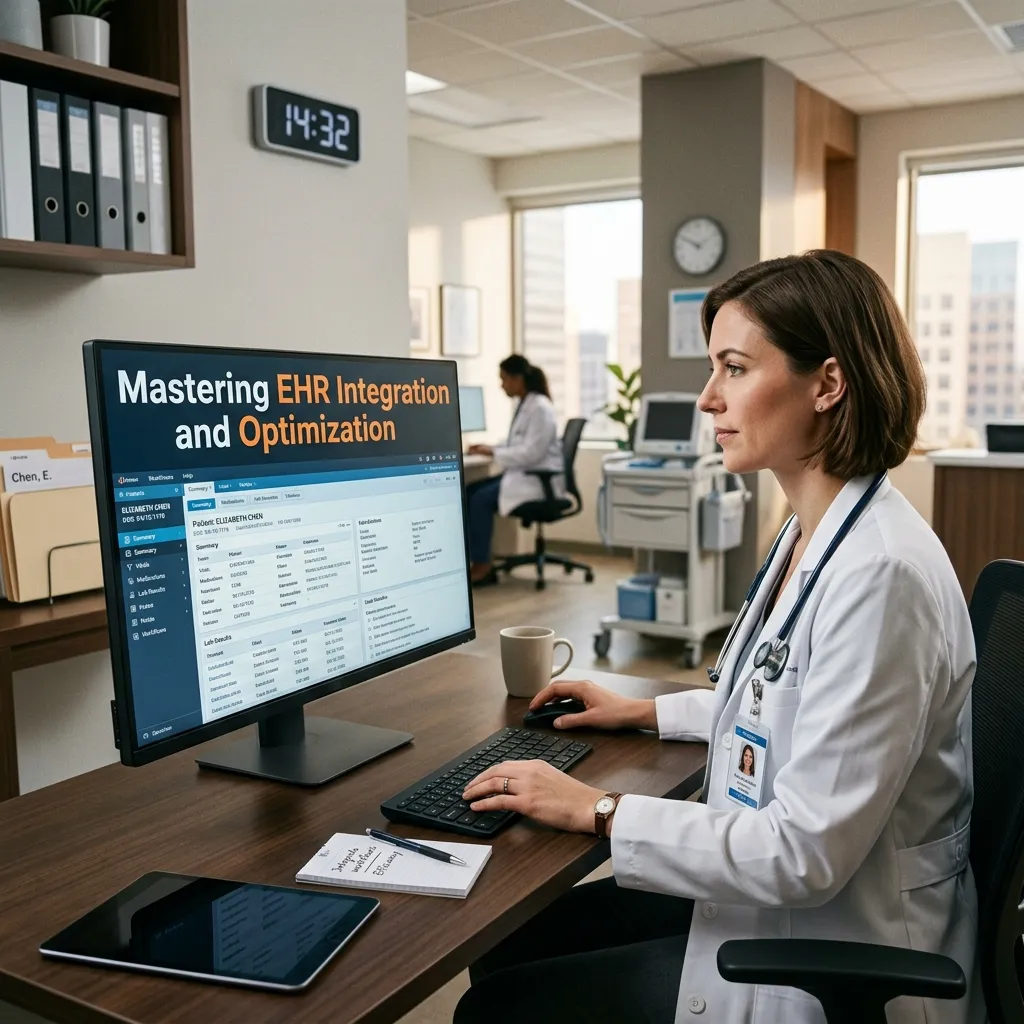
Electronic Health Records (EHR) systems hold the key to coordinated patient care. However, improper setup often leads to clinician burnout and administrative friction.
Expert technicians providing healthcare IT support services optimize your EHR platforms to align with your specific clinical workflows. These healthcare IT support services include customizing templates, streamlining data entry processes, and ensuring seamless communication between different departments. Furthermore, integrating your EHR with other essential tools—such as billing software, patient portals, and telehealth platforms—eliminates duplicate data entry and reduces the likelihood of human error.
Interoperability remains a significant challenge across the medical sector. Your healthcare IT support services team ensures that your systems can securely exchange information with outside specialists, laboratories, and pharmacies.
Ensuring Strict HIPAA Compliance
Navigating the complexities of the Health Insurance Portability and Accountability Act (HIPAA) requires specialized knowledge. General IT providers often lack the necessary expertise to keep your practice fully compliant, exposing you to massive fines and reputational damage.
Healthcare IT support services conduct thorough risk assessments to identify vulnerabilities within your network. These healthcare IT support services enforce strict access controls, ensuring that only authorized personnel can view sensitive Protected Health Information (PHI). This includes implementing multi-factor authentication (MFA), end-to-end encryption for all communications, and comprehensive audit logs to track user activity. Staff training also plays a pivotal role; your healthcare IT support services partner should provide regular security awareness training to educate your team on phishing scams and safe data handling practices.
Managed IT Services vs. In-House Support
Deciding between an internal IT department and an outsourced managed service provider (MSP) heavily impacts your budget and operational capacity.
Comparison Table: Managed vs. In-House IT
|
Feature |
Managed IT Services |
In-House IT Team |
|---|---|---|
|
Cost Structure |
Predictable monthly flat rate |
High overhead (salaries, benefits, training) |
|
Availability |
24/7/365 monitoring and support |
Limited to standard working hours, prone to sick days |
|
Expertise Level |
Access to a diverse team of specialized experts |
Limited to the knowledge of a few individuals |
|
Scalability |
Easily scaled up or down based on practice size |
Slow to scale; requires hiring and onboarding |
|
Compliance Focus |
Deep, ongoing HIPAA and regulatory knowledge |
May require external audits to ensure compliance |
For most clinics, partnering with an external provider delivers superior value, round-the-clock protection, and access to enterprise-level technology without the associated capital expenditures.
Common Mistakes to Avoid in Healthcare IT
Many medical facilities fall into traps that compromise their security and efficiency.
- Ignoring Software Updates: Delaying patches leaves your systems vulnerable to known exploits. Automated patch management is essential.
- Relying on Consumer-Grade Tools: Using standard file-sharing apps or basic antivirus software does not meet strict medical compliance standards.
- Neglecting Mobile Device Management (MDM): As doctors increasingly use smartphones and tablets to access patient data, failing to secure these devices creates massive security gaps.
- Treating IT as an Afterthought: Waiting for systems to break before calling for help leads to prolonged downtime. Technology should be a strategic asset, not just a repair expense.
- Inadequate Staff Onboarding: Failing to properly train new hires on your specific medical software leads to data entry errors and frustration.
Pro Tips for Choosing the Right IT Partner
Finding the ideal technology provider requires careful evaluation of their experience and capabilities.
- Demand Medical Industry Experience: Ensure the provider has a proven track record specifically within the medical field. Ask for case studies related to practices similar to yours.
- Verify Compliance Certifications: Your partner must be willing to sign a Business Associate Agreement (BAA) and deeply understand HIPAA regulations.
- Look for Proactive Maintenance: Choose a team that emphasizes monitoring and preventing issues before they disrupt your day, rather than just reacting to tickets.
- Assess Communication Skills: Your IT partner should explain complex technical concepts in plain language, empowering your staff rather than confusing them.
- Review Strategic Planning Capabilities: The best providers act as a Virtual Chief Information Officer (vCIO), helping you plan future technology investments and navigate cloud migration strategies safely.
Transforming Medical Workflows
Elevating the Patient Experience
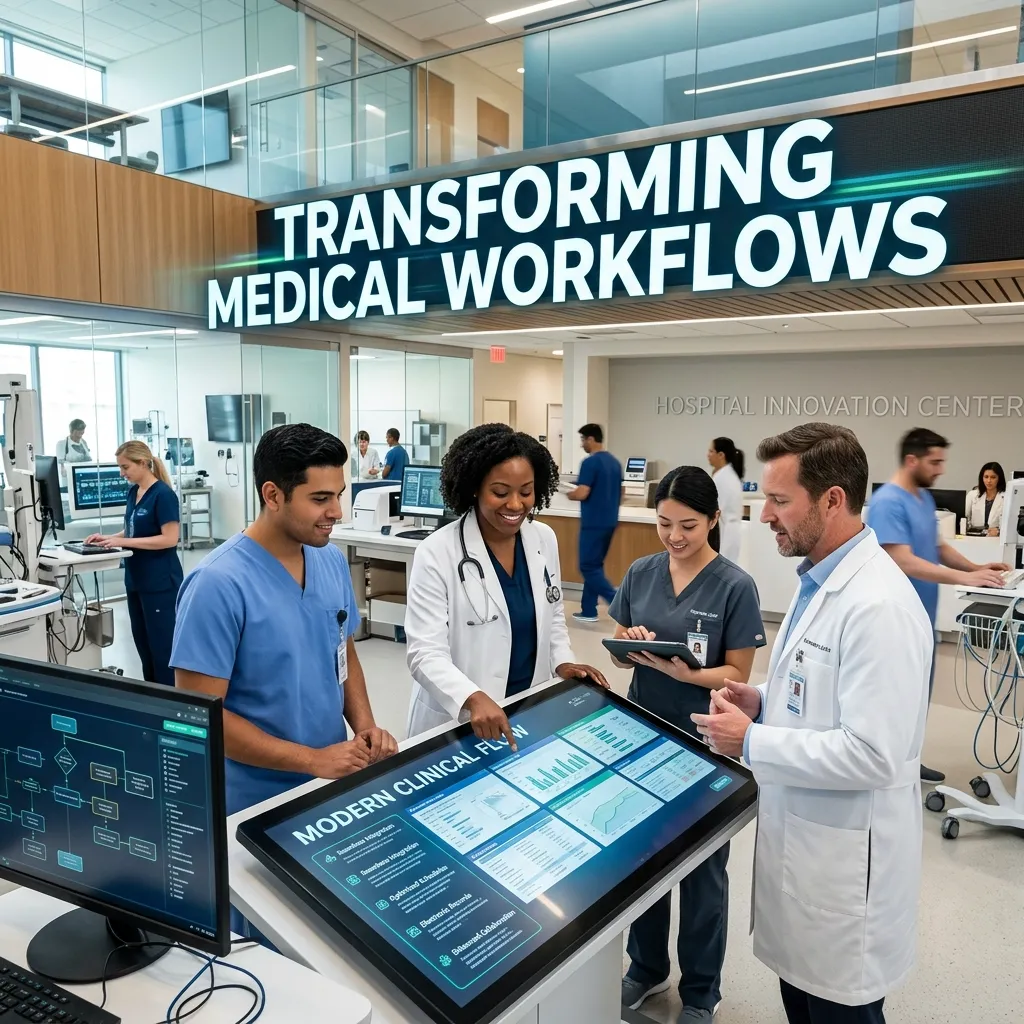
Ultimately, investing in robust technology infrastructure directly enhances patient satisfaction. When your systems run smoothly, wait times decrease. Telehealth appointments connect without frustrating audio or video drops. Secure patient portals allow individuals to view their test results, schedule appointments, and communicate with their doctors effortlessly.
By eliminating administrative bottlenecks, your clinical staff can spend more face-to-face time with patients, fostering trust and improving health outcomes. Advanced healthcare IT support services bridge the gap between complex digital infrastructure and compassionate human care.
Optimizing your technology infrastructure is vital for modern medical success. Implementing dedicated healthcare IT support services secures your patient data, ensures strict compliance, and drastically improves daily clinical workflows. Take the necessary steps today to partner with a specialized provider and safeguard your practice’s future.
Conclusion
Investing in healthcare IT support services is essential for building a secure, efficient, and future-ready medical practice. From strengthening HIPAA compliance and cybersecurity to optimizing EHR systems and ensuring 24/7 system availability, the right healthcare IT support services strategy directly enhances both clinical performance and patient satisfaction. Whether you choose managed services or in-house support, prioritizing proactive maintenance and expert guidance reduces downtime and risks. Ultimately, strong healthcare IT support services empower providers to deliver faster, safer, and more effective care in an increasingly digital healthcare environment.
Frequently Asked Questions
1. What exactly do healthcare IT support services include?
Healthcare IT support services include 24/7 help desk support, network management, cybersecurity protection, EHR optimization, secure data backups, disaster recovery planning, and strict HIPAA compliance management tailored specifically for medical facilities.
2. How does outsourced IT improve HIPAA compliance?
Specialized providers conduct regular risk assessments, implement strict access controls, encrypt data, monitor networks for suspicious activity, and train your staff, ensuring all technical safeguards meet Federal compliance standards.
3. Why is 24/7 monitoring necessary for a medical clinic?
Cyber threats do not stop after hours. Continuous monitoring detects and neutralizes ransomware or unauthorized access attempts immediately, preventing data breaches and ensuring systems are fully operational when the clinic opens.
4. Can an IT provider help with my EHR system running slowly?
Yes. Technicians can assess your server resources, optimize database performance, clear network bottlenecks, and update software to ensure your Electronic Health Records system runs quickly and efficiently.
5. What is a Business Associate Agreement (BAA)?
A BAA is a legally binding contract required by HIPAA. It outlines the responsibilities of third-party vendors (like IT providers) who handle or access Protected Health Information (PHI), holding them accountable for data security.
6. How do managed services save medical practices money?
Managed services offer a predictable monthly fee, eliminating the unpredictable costs of emergency repairs and the high overhead associated with hiring, training, and retaining a full-time, in-house technology staff.
7. What steps are involved in disaster recovery for clinics?
Disaster recovery involves automated daily backups, secure off-site data storage, and a documented rapid-response plan to restore servers and patient data quickly following a hardware failure, natural disaster, or cyberattack.
8. How do we secure mobile devices used by our doctors?
IT providers use Mobile Device Management (MDM) software to enforce security policies, require strong passwords, encrypt data, and enable remote wiping capabilities if a smartphone or tablet is lost or stolen.
9. What should we do during a suspected ransomware attack?
Immediately disconnect infected machines from the network to prevent spreading, do not pay the ransom, and contact your IT support provider to initiate your incident response and data recovery protocols.
10. How often should our medical staff receive cybersecurity training?
With professional healthcare IT support services, staff receive onboarding training, annual refreshers, and regular phishing simulations to maintain strong security awareness.