

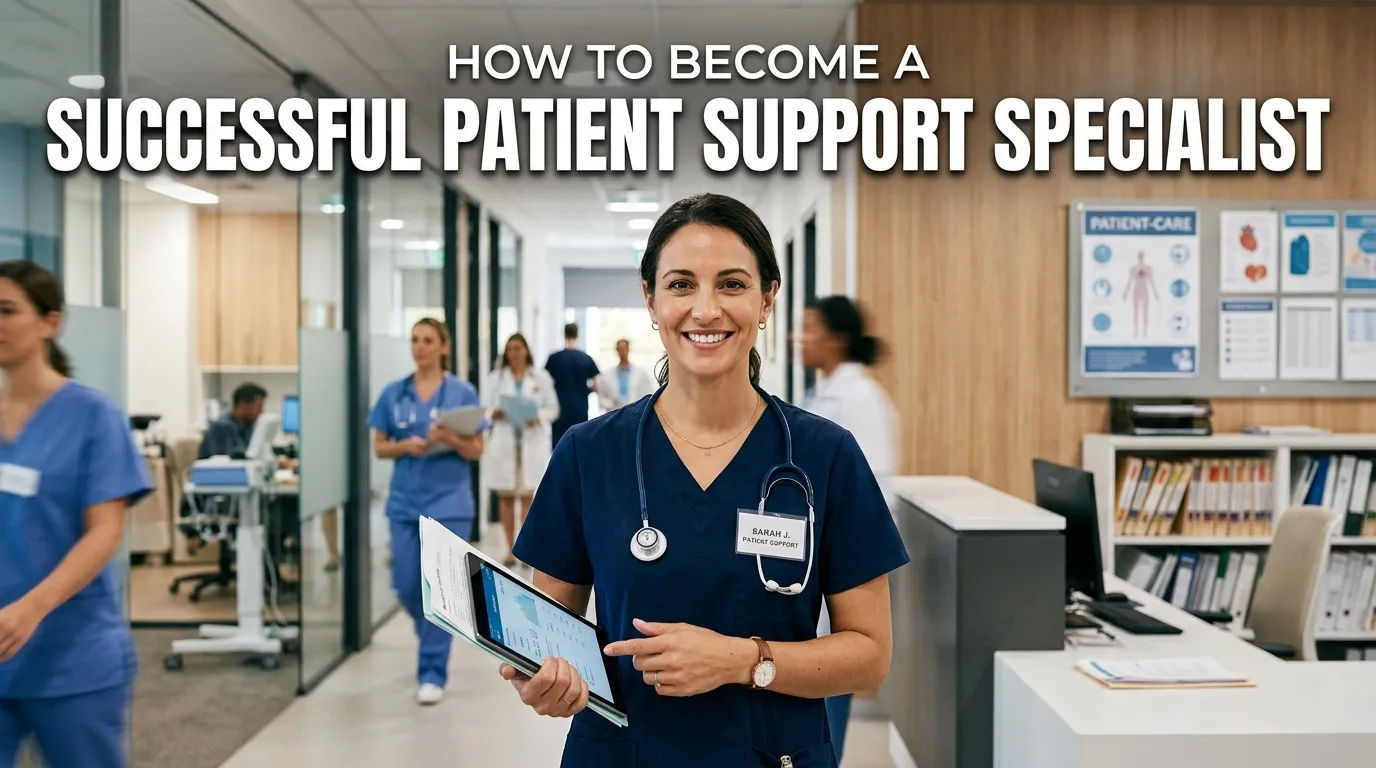
Starting a career as a patient support specialist can open the door to meaningful opportunities in the healthcare industry. This role allows you to support patients, improve healthcare experiences, and build valuable administrative and communication skills. As healthcare facilities continue expanding, the demand for qualified professionals continues to rise. In this guide, you will learn about the responsibilities, required skills, certifications, career growth opportunities, and practical strategies needed to succeed as a patient support specialist while making a positive impact on patient care every day.
Understanding the Role in Healthcare
The healthcare industry relies heavily on dedicated professionals who manage the frontlines of patient care. A patient support specialist acts as a vital bridge between medical staff and the people seeking care. When you step into this role, you take on responsibilities that keep clinical environments running smoothly. From scheduling appointments to managing sensitive health data, your daily tasks ensure that doctors and nurses can focus entirely on medical treatment.
Professionals in this field often work in hospitals, private clinics, and specialized care centers. You serve as the first point of contact, which means you set the tone for the entire patient experience. Mastering this role requires a blend of empathy, organizational skills, and technical knowledge.
Core Responsibilities
What does a typical day look like? You can expect to handle a variety of tasks that keep the facility operating at peak efficiency.
- Greeting and Registration: You welcome individuals as they arrive, verify their identity, and process their registration documents.
- Scheduling and Coordination: You book appointments, manage physician calendars, and follow up with reminders to reduce no-show rates.
- Data Management: You update electronic health records accurately to ensure all medical histories remain current and accessible to the clinical team.
- Financial Processing: You verify insurance coverage, collect co-pays, and answer basic billing questions.
- Patient Advocacy: You guide people through confusing medical procedures, ensuring they understand their rights and the steps involved in their care.
Essential Skills for Success
 To thrive as a patient support specialist, you need a robust set of soft and hard skills. While technical abilities can be learned through training, your interpersonal skills will truly set you apart in a crowded job market.
Mastering Soft Skills
Empathy stands out as the most crucial trait. People visiting medical facilities often feel anxious, sick, or confused. Your ability to listen actively and offer comfort makes a massive difference in their overall experience.
Strong healthcare communication skills are equally important. You must convey complex information clearly, whether you speak to a distressed family member or coordinate with a busy physician. Conflict resolution also plays a key role, as you will occasionally deal with frustrated individuals facing long wait times or billing issues.
Developing Hard Skills
You must navigate various software systems daily. Familiarity with medical terminology helps you understand diagnoses, treatments, and physician notes. Furthermore, you need a strict understanding of HIPAA compliance to protect sensitive medical data. A breach of confidentiality can result in severe legal consequences for your employer.
Educational Pathways and Certifications
You do not need an advanced medical degree to enter this field, which makes it highly accessible. However, completing specific training programs will significantly boost your employability.
Basic Requirements
Most employers require a high school diploma or a GED equivalent as a baseline. If you have previous customer service experience, especially in a fast-paced environment, hiring managers will view your application favorably.
Specialized Training Programs
Many community colleges and vocational schools offer dedicated training for medical administrative assistants. These programs typically last between eight weeks and six months. They cover medical billing, coding basics, office management, and patient communication.
Certifications to Boost Your Resume
Earning a recognized certification proves your competence to potential employers. Consider obtaining credentials such as the Certified Medical Administrative Assistant (CMAA) designation. Passing this exam demonstrates that you understand the intricacies of healthcare administration. Some professionals also choose to become Certified Nursing Assistants (CNAs) to broaden their clinical knowledge and increase their earning potential.
Career Path and Growth Opportunities
 Starting as a patient support specialist opens doors to numerous advancement opportunities within the healthcare sector. Because you interact with various departments, you gain a holistic understanding of how medical facilities operate.
Entry-Level Experience
In your first year, you will focus on mastering daily workflows and building relationships with the clinical team. You will learn how to navigate insurance verification systems and handle high call volumes efficiently.
Mid-Level Advancement
After gaining a few years of experience, you might transition into roles like Patient Experience Coordinator or Shift Supervisor. In these positions, you oversee junior staff, manage complex patient complaints, and implement protocols to improve overall satisfaction scores.
Long-Term Career Goals
Many professionals use this role as a stepping stone. With additional education, you could become a Healthcare Administrator, Medical Practice Manager, or even pursue clinical roles like nursing. The foundational knowledge you build early on will serve you well in any advanced healthcare position.
Structured Role Comparison
To help you understand where this role fits within the broader healthcare ecosystem, review the comparison table below.
|
Role Feature |
Patient Support Specialist |
Medical Assistant (Clinical) |
Healthcare Administrator |
|---|---|---|---|
|
Primary Focus |
Administrative support, scheduling, and customer service. |
Taking vitals, assisting with clinical procedures. |
High-level facility management, budgets, and policy. |
|
Direct Patient Contact |
Very High (Front desk, phone, advocacy). |
Very High (Exam rooms). |
Low (Mostly staff and stakeholders). |
|
Training Required |
High School Diploma, Certificate (Optional but preferred). |
Certificate Program, Externship. |
Bachelor’s or Master’s Degree. |
|
Work Environment |
Lobbies, reception desks, call centers. |
Clinical exam rooms, labs. |
Private offices, boardrooms. |
Pro Tips for Standing Out
If you want to excel as a patient support specialist, you must go beyond the basic job description. Here are expert insights to help you shine:
- Anticipate Needs: Do not wait for a patient to ask for help. If someone looks lost in the waiting room, proactively approach them and offer assistance.
- Master the Software: Spend extra time learning the shortcuts in your facility’s scheduling software. Speed and accuracy will make you an invaluable asset to the team.
- Build Clinical Relationships: Take time to understand the specific preferences of the doctors you support. Knowing how a physician likes their schedule organized shows high-level professionalism.
- Stay Calm Under Pressure: When the waiting room fills up and the phones ring constantly, maintain a steady, calm demeanor. Your energy influences the anxiety levels of everyone around you.
Common Mistakes to Avoid
Even well-intentioned professionals make errors. Avoid these common pitfalls to protect your career and ensure high-quality care.
- Violating Privacy Rules: Never discuss medical details in public areas where others can overhear. Always verify identity before sharing test results over the phone.
- Ignoring Self-Care: Burnout happens quickly in healthcare. You must take your breaks, stay hydrated, and disconnect from work when you go home.
- Rushing Data Entry: Spelling a name wrong or inputting the incorrect insurance provider code creates massive billing headaches later. Always double-check your data entry.
- Showing Frustration: You will encounter difficult people. Reacting with anger or impatience damages the facility’s reputation. Always practice active listening and remain polite.
Maximizing Your Impact on Patient Outcomes
 You might not diagnose illnesses or prescribe medications, but your work directly impacts health outcomes. When a patient support specialist expertly navigates insurance approvals, a patient receives life-saving medication faster. When you manage the schedule efficiently, doctors spend more quality time with each person.
Your dedication to patient advocacy ensures that vulnerable individuals do not fall through the cracks of a complex medical system. By following up on referrals and coordinating care between specialists, you actively contribute to the healing process.
To learn more about standard medical practices, you can explore resources from the Centers for Disease Control and Prevention or review guidelines published by the American Medical Association. These high-authority platforms provide excellent background knowledge to help you understand the broader healthcare landscape.
Starting your journey as a patient support specialist allows you to make a meaningful difference in modern healthcare. If you are ready to take the next step, explore local certification programs today. Your new career awaits, so apply for training and start transforming patient lives right now.
Frequently Asked Questions
1. What exactly does a patient support specialist do?
You manage the front-end operations of a healthcare facility. This includes checking people in, updating health records, answering phones, verifying insurance, and ensuring a smooth flow of communication between visitors and medical staff.
2. Do I need a college degree to get hired?
No, you do not need a college degree. Most employers require a high school diploma or GED. However, completing a specialized certificate program makes you a much more competitive candidate in the job market.
3. How much do professionals in this role typically earn?
Earnings vary based on location, experience, and the specific healthcare facility. On average, entry-level roles start around $35,000 to $40,000 per year, with potential increases as you gain experience and earn certifications.
4. What is the difference between this role and a medical assistant?
A medical assistant performs clinical tasks like drawing blood, taking vitals, and assisting with minor procedures. In contrast, you focus entirely on administrative duties, customer service, and workflow coordination.
5. Is it stressful to work as a patient support specialist?
The role can be fast-paced and occasionally stressful, especially during busy flu seasons or in emergency room settings. Strong organizational skills and the ability to remain calm under pressure help mitigate this stress significantly.
6. Can I work remotely in this position?
Yes, remote opportunities are growing. Many telehealth companies and large hospital networks hire remote staff to handle phone scheduling, insurance verification, and billing inquiries from home.
7. How long does it take to complete a training program?
Most vocational or community college certificate programs take anywhere from eight to twenty-four weeks to complete. Some programs also include a short externship for practical, hands-on experience.
8. What are the best certifications to pursue?
The Certified Medical Administrative Assistant (CMAA) certification through the National Healthcareer Association represents a highly respected credential. Earning this certificate validates your administrative skills to potential employers.
9. What career advancement opportunities exist?
You can advance into supervisory roles, such as Office Manager or Patient Experience Director. Many professionals also use the experience to transition into medical billing and coding or pursue further education in healthcare administration.
10. How can I stand out during the interview process?
Highlight your customer service experience, empathy, and ability to handle complex software systems. Share specific examples of how you resolved conflicts or improved processes in past roles to demonstrate your problem-solving skills.