


Starting your day with the right diabetes breakfast sets the foundation for stable blood sugar levels, lasting energy, and optimal metabolic health throughout the morning.
Discover actionable strategies and ten delicious, nutrient-dense morning meals designed to prevent blood sugar spikes. This comprehensive guide provides expert nutritional insights, common pitfalls to avoid, and practical recipes to help you manage your health and optimize your daily routine.
Why Your Morning Meal Matters for Blood Sugar Control
Waking up presents a unique metabolic challenge. After hours of fasting overnight, your body experiences physiological shifts, notably the “dawn phenomenon,” where hormones like cortisol and glucagon cause the liver to release stored glucose. This natural process prepares you for the day but can lead to elevated morning blood sugar levels. Eating a balanced, nutrient-dense diabetes breakfast helps stabilize this response, and consistently choosing the right diabetes breakfast options signals to your body that external energy is available. A well-planned diabetes breakfast can help prevent excessive glucose release from the liver, making diabetes breakfast choices an essential part of morning blood sugar control.
When you prioritize a structured morning routine, a proper diabetes breakfast reduces mid-morning cravings, prevents energy crashes, and supports better food decisions throughout the day. A carefully designed plate ensures that your diabetes breakfast minimizes glycemic load, promoting a slow and steady release of glucose into the bloodstream instead of sharp spikes. Over time, maintaining a consistent diabetes breakfast habit supports metabolic stability, cardiovascular health, and long-term energy balance.
The Core Components of a Stable Morning Plate
 To build the perfect morning meal, you need to focus on specific macronutrients that work synergistically to slow digestion and promote satiety. Understanding these components is critical for long-term health.
10 Diabetes-Friendly Breakfast Ideas for a Healthy Morning
Here are ten highly effective, delicious, and easy-to-prepare meals that perfectly balance protein, healthy fats, and fiber.
1. Spinach and Feta Egg Muffins
Eggs offer an outstanding protein-to-carb ratio. Whisk whole eggs with fresh spinach, diced tomatoes, and a sprinkle of feta cheese. Bake them in a muffin tin for a convenient, grab-and-go diabetes breakfast. The fiber from the vegetables pairs perfectly with the protein and fat from the eggs, ensuring zero blood sugar spikes.
2. Chia Seed Pudding with Raspberries
Chia seeds contain massive amounts of soluble fiber and omega-3 fatty acids. Mix three tablespoons of chia seeds with unsweetened almond milk and let it sit overnight. In the morning, top it with a handful of fresh raspberries and crushed walnuts. This meal provides lasting energy and exceptional digestive support.
3. Savory Avocado and Turkey Sausage Bowl
Combine sliced avocado with lean turkey sausage and a handful of mixed greens. Avocado provides monounsaturated fats that protect the heart, while the turkey sausage delivers high-quality protein without excessive saturated fat. Drizzle with olive oil and lemon juice for added flavor.
4. Greek Yogurt with Flaxseed and Almonds
Plain, unsweetened Greek yogurt contains double the protein of regular yogurt and significantly fewer carbohydrates. Stir in a tablespoon of ground flaxseed and a handful of sliced almonds. The probiotics support gut health, which experts link directly to improved insulin sensitivity.
5. Cottage Cheese with Cucumber and Dill
Full-fat or low-fat cottage cheese is a versatile, protein-packed base. Instead of adding fruit, take a savory approach by mixing in diced cucumbers, fresh dill, and a pinch of black pepper. This ultra-low-carb option is deeply satisfying and refreshing.
6. Tofu Scramble with Bell Peppers
For a plant-based alternative, crumble firm tofu and sauté it with turmeric, nutritional yeast, onions, and bell peppers. Tofu provides excellent plant protein and is rich in calcium and iron. The bell peppers add volume, vitamin C, and crunch without a high glycemic load.
7. Smoked Salmon and Cream Cheese on Cucumber Slices
Skip the traditional bagel and use thick slices of English cucumber as a base. Spread a thin layer of cream cheese and top with wild-caught smoked salmon and capers. Salmon provides essential DHA and EPA omega-3s, which powerfully combat cellular inflammation.
8. Almond Flour Pancakes with Berries
Traditional pancakes cause rapid blood sugar surges, but using almond flour changes the metabolic equation. Mix almond flour with eggs and a splash of unsweetened vanilla almond milk. Serve with a small portion of blackberries, which are exceptionally low in sugar and high in antioxidants.
9. Broccoli and Cheddar Crustless Quiche
Bake a large crustless quiche on Sunday to enjoy throughout the week. Use generous amounts of chopped broccoli, sharp cheddar, and a mix of whole eggs and egg whites. Broccoli contains sulforaphane, a compound that studies suggest may help reduce blood sugar levels.
10. Hemp Heart and Pecan “No-Oat” Meal
If you love the texture of oatmeal but want to avoid the carbohydrates, warm up hemp hearts, crushed pecans, and shredded coconut with unsweetened coconut milk. Hemp hearts are a complete plant protein and contain an ideal balance of essential fatty acids.
Nutritional Comparison of Morning Meals
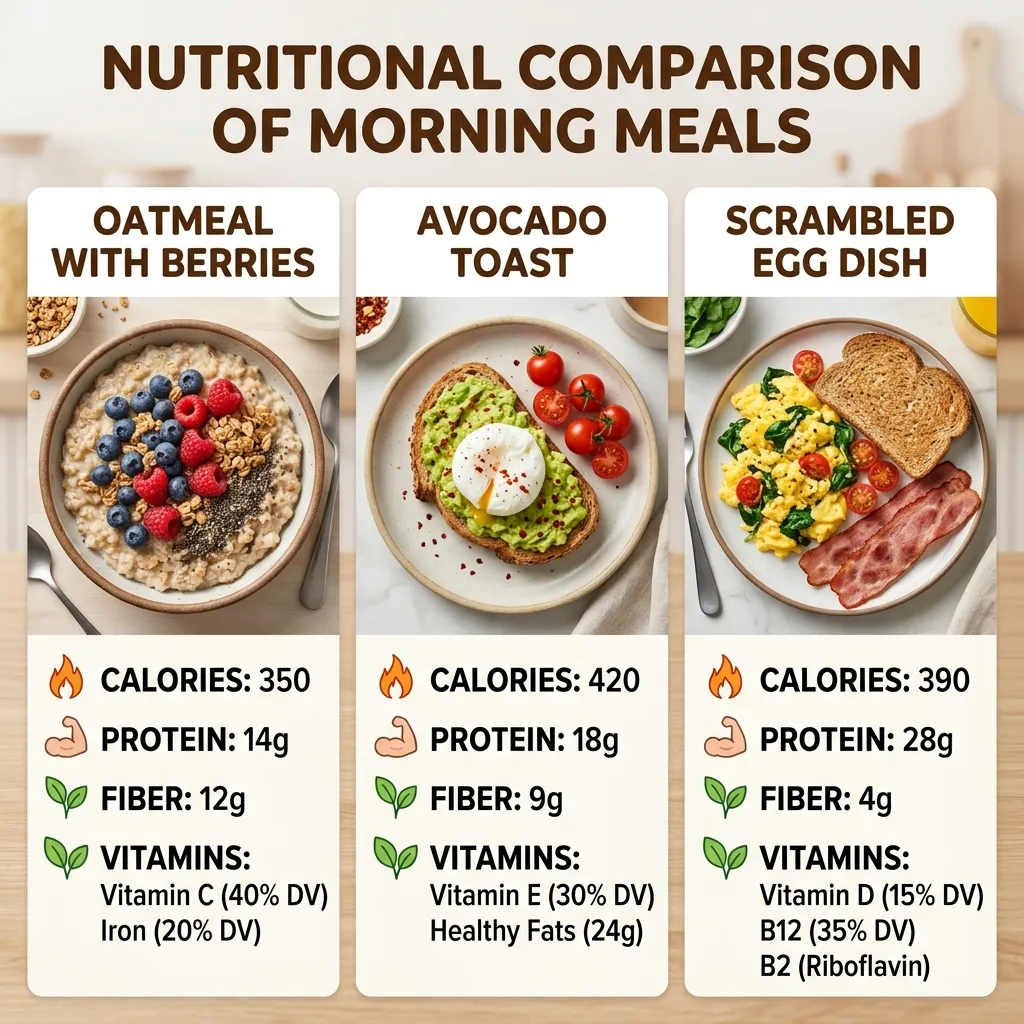 To help you choose the best option for your specific goals, review this structural breakdown of our top recommendations.
|
Breakfast Option |
Primary Protein Source |
Key Healthy Fat |
Fiber Source |
Glycemic Impact |
|---|---|---|---|---|
|
Spinach & Feta Muffins |
Eggs |
Egg yolks, Feta |
Spinach |
Very Low |
|
Chia Seed Pudding |
Chia seeds |
Chia seeds, Walnuts |
Chia, Raspberries |
Low |
|
Greek Yogurt Bowl |
Greek yogurt |
Almonds, Flaxseed |
Flaxseed |
Low |
|
Savory Avocado Bowl |
Turkey sausage |
Avocado |
Mixed greens |
Very Low |
|
Tofu Scramble |
Tofu |
Olive oil (for cooking) |
Bell peppers |
Very Low |
Common Mistakes to Avoid
Even with the best intentions, certain morning habits can derail your blood sugar management. Watch out for these frequent errors:
- Relying on “Healthy” Fruit Juices: Even 100% natural fruit juice strips away the fiber, leaving a concentrated source of fructose that rapidly spikes glucose. Always choose whole fruits instead.
- Failing to Count Hidden Carbohydrates: Sweetened creamers, flavored yogurts, and seemingly innocent sauces often contain staggering amounts of added sugars. Always read ingredient labels meticulously.
- Skipping the Meal Entirely: While intermittent fasting works for some, skipping breakfast can cause your liver to dump glucose into your bloodstream or lead to severe overeating later in the day.
- Eating Bare Carbohydrates: Consuming a piece of toast or a banana by itself guarantees a rapid glucose response. Always pair carbohydrates with a robust source of protein or fat.
- Trusting “Diabetic-Friendly” Packaged Foods: Many heavily processed bars and cereals marketed for blood sugar control contain sugar alcohols that can upset your stomach and highly refined grains that still elevate glucose.
Expert Insights and Pro Tips
 Leading endocrinologists and registered dietitians agree that consistency and preparation are the most powerful tools in your nutritional arsenal. According to clinical guidelines from organizations like the American Diabetes Association, individualized meal planning yields the best long-term A1C results.
A crucial pro tip is to utilize the order in which you eat your food. Emerging nutritional science shows that eating fiber-rich vegetables and proteins first, and saving any carbohydrates for the end of the meal, can flatten your glucose curve by up to 70%. Furthermore, incorporating a brisk ten-minute walk after your diabetes breakfast effectively utilizes circulating glucose, shuttling it directly into your muscle cells without requiring insulin.
Tracking your macros and testing your blood sugar both before and two hours after eating will provide personalized data. What spikes one person’s blood sugar might be perfectly tolerated by another. Let your glucose meter guide your specific portion sizes and food choices.
Frequently Asked Questions
1. What makes a breakfast suitable for blood sugar control?
A suitable morning meal minimizes refined carbohydrates and sugars while maximizing protein, healthy fats, and fiber. This combination slows down the digestive process, ensuring that glucose enters your bloodstream gradually rather than all at once, preventing dangerous spikes and subsequent crashes.
2. Can I still eat oatmeal if I am managing my blood sugar?
Yes, but you must choose the right type and prepare it correctly. Avoid instant oats, which are highly processed. Instead, opt for steel-cut or rolled oats. Crucially, you must pair the oats with healthy fats and protein, such as walnuts, chia seeds, or a scoop of unsweetened protein powder, to mitigate the glycemic impact.
3. Are eggs a good choice for daily consumption?
Eggs are widely considered an excellent choice. They are rich in high-quality protein, contain almost zero carbohydrates, and provide essential nutrients like choline and lutein. Unless your doctor has specifically advised you to limit dietary cholesterol due to severe cardiovascular disease, daily eggs are highly beneficial.
4. How much protein should I aim for in the morning?
While individual needs vary based on body weight and activity level, aiming for 20 to 30 grams of high-quality protein is an excellent baseline. This amount effectively stimulates satiety hormones, repairs tissues, and significantly blunts the blood sugar response of any accompanying carbohydrates.
5. Is it safe to eat fruit in the morning?
Whole fruit is safe and highly nutritious, provided you monitor portions and choose low-glycemic options. Berries, such as raspberries, blackberries, and strawberries, are the best choices because they offer massive amounts of fiber and antioxidants with minimal sugar. Always eat fruit alongside a protein or fat source.
6. What should I drink with my morning meal?
Water, unsweetened black coffee, and green tea are the best beverage choices. Coffee and tea contain beneficial polyphenols that may actually improve insulin sensitivity over time. Avoid adding sugar or sugary creamers, and completely steer clear of fruit juices and sweetened energy drinks.
7. Does intermittent fasting work better than eating breakfast?
Intermittent fasting can improve insulin resistance for some individuals, but it is not universally effective or safe, especially if you take medications that lower blood sugar. Fasting can increase the risk of hypoglycemia. Always consult your endocrinologist before skipping meals or drastically altering your eating schedule.
8. Can I eat bacon and sausage regularly?
While bacon and sausage are low in carbohydrates, they are heavily processed meats high in saturated fats and sodium. Frequent consumption is linked to increased cardiovascular risks. It is best to choose lean proteins like turkey sausage, eggs, or plant-based proteins for daily meals, saving processed meats for occasional treats.
9. What is the dawn phenomenon, and how does food affect it?
The dawn phenomenon is a natural early-morning rise in blood sugar caused by hormone surges (like cortisol) that signal the liver to release stored glucose. Eating a balanced, low-carb meal can actually help resolve this by signaling to the body that external nutrients are available, prompting the liver to stop dumping glucose.
10. How quickly after waking up should I eat?
There is no universal rule, but eating within one to two hours of waking is generally recommended to stabilize morning hormone levels and prevent excessive hunger later. Pay attention to your body’s cues and your morning glucose readings to determine the optimal timing for your individual metabolic needs.