


Are you struggling to maintain steady energy throughout the day? Effective diabetes control starts with small, daily habits that completely transform your metabolic health.
Optimizing your daily routine provides a powerful foundation for stable health. This guide explores eight actionable, evidence-based lifestyle adjustments that help you stabilize energy, reduce complications, and achieve better overall wellness. You will learn practical strategies to implement these habits immediately for long-term success.
1. Prioritize Whole Foods and Smart Carbohydrates
Your diet plays the most significant role in diabetes control. Transitioning from processed foods to nutrient-dense, whole foods helps prevent sudden spikes in your energy and mood. Focus heavily on foods with a low glycemic index, which digest slowly and provide a steady stream of energy.
Incorporating plenty of non-starchy vegetables, lean proteins, and healthy fats helps build a balanced plate. When you choose carbohydrates, opt for those high in fiber, such as quinoa, sweet potatoes, and legumes. Fiber slows digestion, which is crucial for blood sugar management and reducing insulin resistance.
Simple vs. Complex Carbohydrates
|
Carbohydrate Type |
Examples |
Impact on Health |
Recommendation |
|---|---|---|---|
|
Simple Carbs |
White bread, sugary sodas, pastries |
Rapid spikes and crashes |
Avoid or limit strictly |
|
Complex Carbs |
Lentils, oats, brown rice |
Gradual, steady energy release |
Make these your primary carb source |
Expert Insights
Registered dietitians recommend the “plate method” for optimal diabetes control. Fill half your plate with non-starchy vegetables, one-quarter with lean protein, and the final quarter with complex carbohydrates. This simple visual cue removes the need for strict calorie counting while naturally optimizing your glycemic load.
Common Mistakes to Avoid
Many people eliminate carbohydrates, which often leads to binge eating later. Instead of cutting them out, focus on carbohydrate quality and portion sizing. Another frequent mistake is drinking liquid calories, such as fruit juices, which bypass the digestive delays of whole fruit and cause immediate spikes.
2. Engage in Consistent Cardiovascular and Strength Training
 Physical activity acts like a natural medication for diabetes control. When you exercise, your muscle cells absorb glucose for energy, which instantly lowers the amount circulating in your bloodstream. Over time, regular physical activity significantly boosts your insulin sensitivity, meaning your body requires less insulin to do the same job.
Aim for a combination of aerobic exercise (like brisk walking, swimming, or cycling) and resistance training (using weights or body weight). The Centers for Disease Control and Prevention recommends at least 150 minutes of moderate-intensity aerobic activity per week, plus two days of strength training.
Building lean muscle mass through resistance training creates a larger storage area for glucose. This metabolic sink helps stabilize your baseline levels, making day-to-day diabetes control much more predictable and manageable.
3. Master Your Sleep Hygiene
Sleep deprivation severely undermines diabetes control by increasing cortisol levels, which in turn elevates your baseline glucose. When you lack adequate rest, your body becomes less efficient at using insulin. Chronic poor sleep directly contributes to increased insulin resistance and makes cravings for sugary, high-carbohydrate foods much harder to resist.
Establish a firm sleep schedule by going to bed and waking up at the same time every day, even on weekends. Create a relaxing pre-sleep routine that involves dimming the lights, avoiding screens for at least an hour before bed, and keeping your bedroom cool and dark.
Expert Insights
Endocrinologists note that patients who optimize their sleep often see improvements in their morning fasting levels without changing any other variables. Achieving seven to nine hours of quality sleep per night is non-negotiable for healthy blood glucose regulation.
4. Implement Proactive Stress Management Techniques
Psychological stress triggers a biological “fight or flight” response, releasing hormones like adrenaline and cortisol. These hormones prompt your liver to release stored glucose into your bloodstream to provide quick energy to fight a perceived threat. For someone working on diabetes control, chronic stress creates a constant state of elevated glucose that diet and exercise alone struggle to fix.
Incorporate mindfulness practices into your daily routine. Techniques such as deep breathing exercises, meditation, yoga, and journaling have proven effective at lowering stress hormones. Just five to ten minutes of focused, deep breathing can help reset your nervous system and bring your physiology back into a balanced state.
5. Stay Optimally Hydrated Throughout the Day
 Drinking enough water is a highly underrated aspect of diabetes control. When you become dehydrated, the concentration of glucose in your bloodstream naturally increases simply because there is less fluid to dilute it. Furthermore, high glucose levels can cause increased urination, which accelerates dehydration and creates a dangerous cycle.
Aim for at least eight to ten glasses of water daily, adjusting for your activity level and the climate. Herbal teas and water infused with lemon or cucumber also count toward your daily hydration goals.
Common Mistakes to Avoid
Relying on artificially sweetened beverages to stay hydrated can sometimes trigger cravings for real sugar. Additionally, many people wait until they feel thirsty to drink water. Thirst is a late indicator of dehydration; proactive sipping throughout the day is much more effective for maintaining stable metabolic health.
6. Monitor Your Patterns Regularly
Effective diabetes control requires data. You cannot manage what you do not measure. Routine checking helps you understand exactly how specific foods, exercises, stressors, and sleep patterns affect your body.
Using a continuous glucose monitor (CGM) or checking with a standard glucometer provides real-time feedback. Check your levels before meals, two hours after meals, and before bed. This data allows you to identify trends and make micro-adjustments before levels drift too far out of range. Tracking your daily numbers is also vital for your healthcare provider to accurately assess your long-term HbA1c levels.
Expert Insights
Treat your numbers as information, not a judgment. A high reading is simply a data point telling you that your body needs an adjustment, whether that is a walk, a glass of water, or a medication review.
7. Achieve and Maintain a Healthy Weight
Carrying excess visceral fat, particularly around the abdomen, drives inflammation and makes it exceptionally difficult for insulin to function properly. Losing just 5% to 10% of your body weight can dramatically improve your diabetes control and reduce your reliance on medications.
Focus on sustainable, gradual weight loss rather than crash diets. Implement the nutritional and exercise changes mentioned earlier to create a moderate caloric deficit. Consistency over months and years will yield better results than extreme, short-term restrictions. Connect with a registered dietitian or a weight management specialist to build a tailored plan that fits your lifestyle and preferences.
8. Adhere to Medication Protocols and Timing
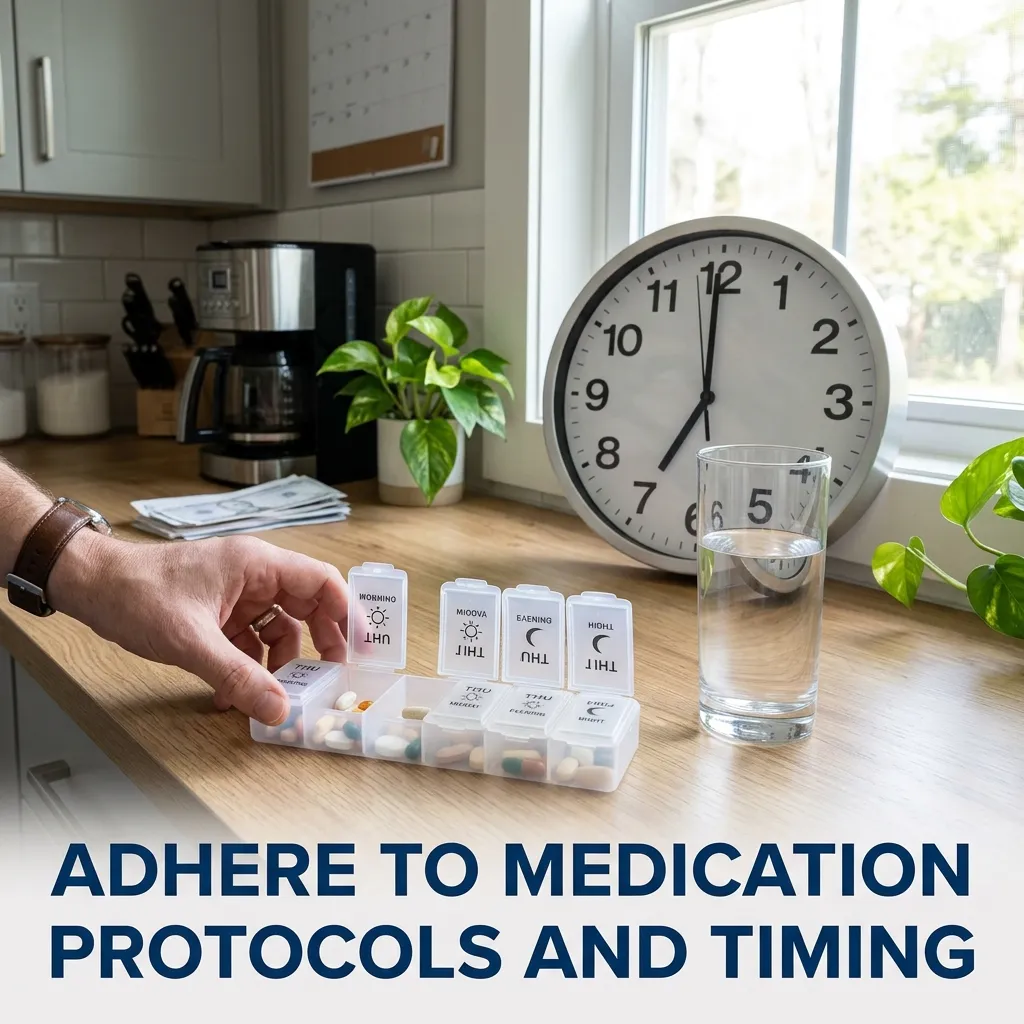 Even with perfect lifestyle habits, many individuals require medication or insulin to achieve optimal diabetes control. Taking your prescribed medications at the correct times and in the correct doses is critical for preventing complications and maintaining stability.
Work closely with your healthcare team to understand how your medications work. Some require taking them with food to prevent low levels, while others work best on an empty stomach. Never adjust your dosages without consulting your doctor, even if you see improvements from your new lifestyle habits. The goal is to work in partnership with your medical team to safely taper medications as your metabolic health improves.
Achieving excellent diabetes control is a continuous journey that requires patience, consistency, and a willingness to learn about your own body. By adopting these eight lifestyle changes, you empower yourself to live a vibrant, energetic, and healthy life.
Taking charge of your daily habits is the most powerful tool you have for achieving optimal diabetes control. Start small by choosing one or two areas from this list to focus on this week, and gradually build a routine that supports your long-term health. Consult your healthcare team today to integrate these changes safely into your personalized care plan.
Expert Insights and Pro Tips
Medical professionals and nutrition experts agree that diabetes control is a marathon, not a sprint. The Centers for Disease Control and Prevention highlights that managing diabetes is a holistic endeavor. Here are a few pro tips to elevate your routine:
- Eat Your Food in the Right Order: Emerging research suggests that the sequence in which you eat your food matters. Consuming fibrous vegetables first, proteins and fats second, and starches last can significantly flatten your post-meal glucose curve.
- Use Vinegar: Adding a tablespoon of apple cider vinegar to a glass of water before a carbohydrate-heavy meal can improve insulin sensitivity and lower post-meal blood sugar spikes.
Conclusion
Frequently Asked Questions
1. What is the most effective diet for improving diabetes control?
There is no single “best” diet, but eating plans that emphasize whole foods, lean proteins, healthy fats, and complex carbohydrates generally work best. The Mediterranean diet and the DASH diet are highly recommended because they focus on nutrient density and a low glycemic load, which support stable energy and improved metabolic markers.
2. How much exercise do I need to see a difference?
Health experts recommend a minimum of 150 minutes of moderate-intensity aerobic exercise per week, spread over at least three days. Adding two sessions of strength training per week significantly boosts your muscle mass, which helps your body process glucose more efficiently and improves overall insulin sensitivity.
3. Can drinking more water actually lower my numbers?
Yes. Staying properly hydrated helps your kidneys flush out excess glucose through urine. When you are dehydrated, your blood becomes more concentrated, which artificially raises the concentration of glucose in your system. Regular water intake is a simple but vital part of your daily routine.
4. Why are my levels higher in the morning even if I haven’t eaten?
This is often due to the “dawn phenomenon.” During the early morning hours, your body naturally releases hormones like cortisol and growth hormone to wake you up. These hormones signal the liver to release stored energy, causing a temporary rise in glucose. Discuss this with your doctor if it becomes a persistent issue.
5. Does lack of sleep really impact my metabolic health that much?
Absolutely. Sleep deprivation causes increased physical stress, leading to higher cortisol levels and increased insulin resistance. Even a few nights of poor sleep can make your body less efficient at processing carbohydrates and can significantly increase your cravings for sugary foods.
6. Are all carbohydrates bad for my health?
No, carbohydrates are an essential energy source. The key is distinguishing between simple and complex carbohydrates. Complex carbohydrates, like beans, whole grains, and vegetables, contain fiber that slows digestion and prevents rapid spikes. Simple carbohydrates, found in sugary drinks and pastries, should be strictly limited.
7. How does stress management improve my numbers?
When you experience chronic stress, your body remains in a constant fight-or-flight state, releasing hormones that instruct your liver to dump glucose into your blood. By practicing stress management techniques like meditation or deep breathing, you lower these stress hormones, allowing your baseline levels to naturally decrease.
8. What is the benefit of a continuous monitor over finger pricks?
A continuous monitor provides a constant stream of data, showing you the exact direction and speed at which your numbers are moving. This allows you to see how specific meals, sleep patterns, and workouts affect you in real-time, making it much easier to fine-tune your daily habits.
9. Can I reverse my condition entirely through lifestyle changes?
While type 1 requires lifelong insulin therapy, type 2 can often be put into remission through significant lifestyle changes and weight loss. Remission means maintaining normal numbers without medication, though you must continue your healthy habits to sustain those results long-term.
10. How often should I check my A1C?
Most healthcare providers recommend checking your A1C every three to six months. This test provides a two-to-three-month average of your overall numbers, giving you and your doctor a clear picture of how well your current lifestyle and medication regimen are working.